


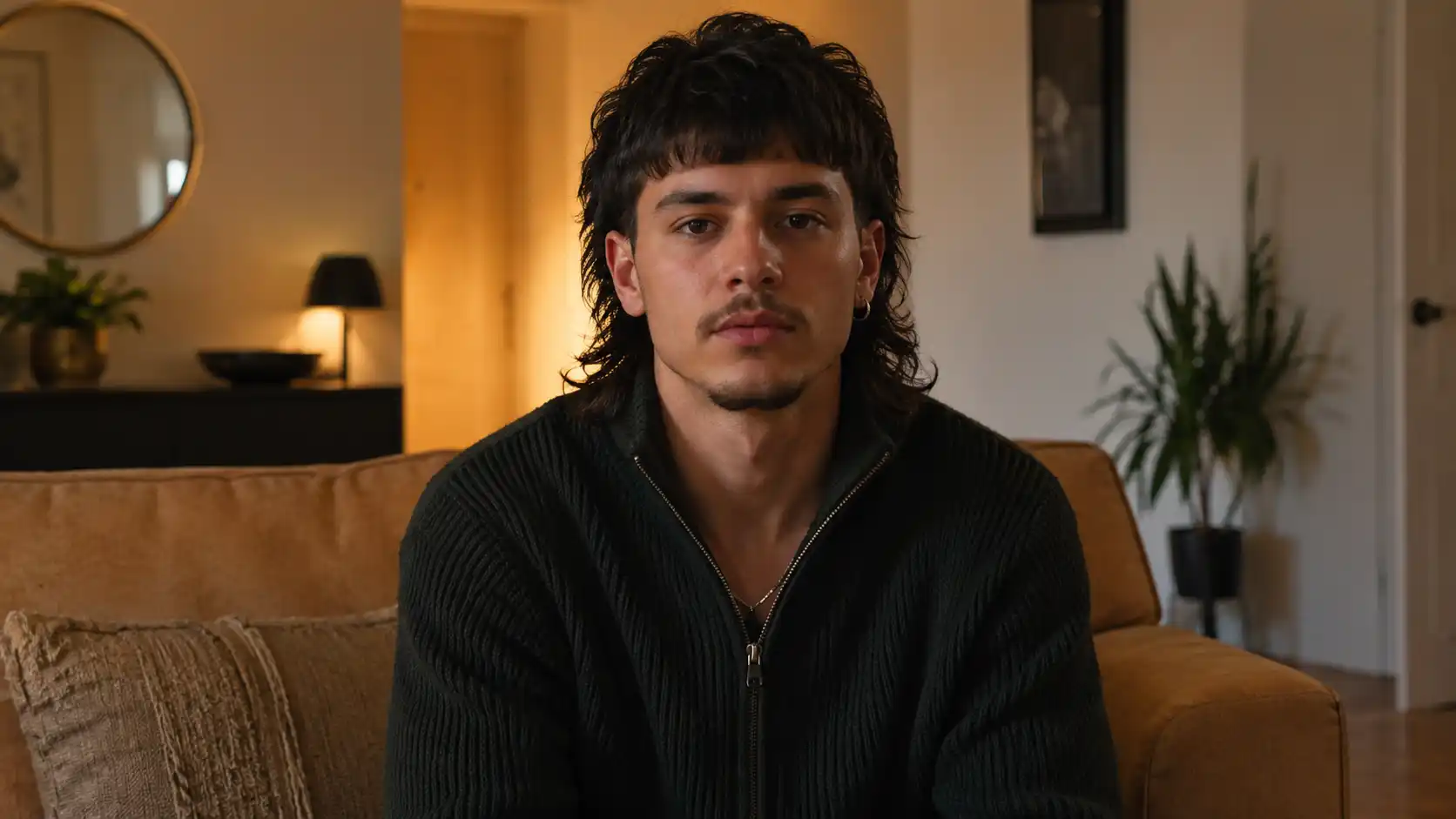
The mullet is back. And before you roll your eyes, this is not your dad’s mullet from the 1980s.
The modern mullet has been completely reinvented. It is sharper, cleaner, and more versatile than anything that came before it. Celebrities, athletes, and style-forward guys around the world have been wearing it for the past few years, and it is only getting more popular in 2026.
The problem is most guys either go too extreme and end up looking like a costume, or they play it too safe and the mullet loses all its personality. Getting it right is about balance, short and clean at the front and sides, with just enough length at the back to make a statement without overwhelming the look.
In this guide we cover 18 mullet haircuts for men across every style, from modern and clean to bold and textured. Whether you have straight hair, curly hair, or anything in between, there is a mullet on this list that will work for you. We have also included what to ask the barber, how to style each one, and real internal links to related styles so you can explore further.
Let’s get into it.
18 Mullet Haircuts at a Glance
What Makes a Good Modern Mullet?
Before we get into the styles, here is what separates a great modern mullet from a bad one.
The key is contrast. The front and sides need to be noticeably shorter and cleaner than the back. That contrast is what gives the mullet its visual interest and makes it look intentional rather than like you just forgot to get a haircut. The back length can range from a few inches to shoulder length depending on how bold you want to go. The sides are usually faded or tapered to create a clean transition.
The second key is texture. Modern mullets thrive on movement and texture. A flat, heavy mullet looks dated. A textured, lived-in mullet looks cool and deliberate.
Now let us get into the 18 best mullet haircuts for men.
1. The Classic Modern Mullet

This is where most guys should start. The classic modern mullet keeps the front short and styled forward or to the side, the sides tight with a low or mid fade, and the back left to grow out two to four inches past the collar.
It is the most wearable version of the mullet because it does not go too extreme in any direction. The fade on the sides keeps it looking clean and intentional. The back length is noticeable but not dramatic.
Ask the barber for: Mid fade on the sides, short textured crop on top, leave two to three inches of length at the back.
How to style it: Apply a light matte clay through the top section with your fingers. Let the back air dry for a natural, relaxed finish.
Best for: Guys trying a mullet for the first time who want something clean and versatile.</p>
2. The Fade Mullet
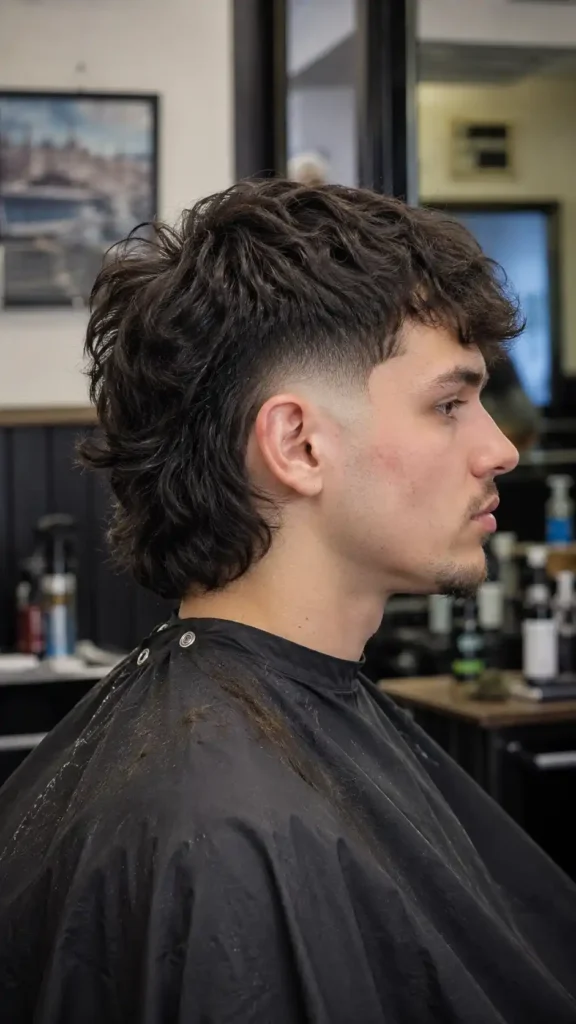
The fade mullet takes the classic version and adds a sharper, more defined fade on the sides, usually a high skin fade that creates a striking contrast with the longer back. This is one of the most popular mullet styles right now because the clean fade gives it a modern, barbershop-quality finish.
The top is usually kept short to medium length and can be worn forward, swept back, or textured. The back flows naturally from the crown downward. If you want your mullet to look intentional and sharp rather than retro, the fade version is the way to go.
Ask the barber for: High skin fade on the sides, short to medium length on top, longer disconnected back section.
How to style it: A lightweight pomade on the top section swept back or to the side. Leave the back natural or use a curl cream if you have waves.
Best for: Men who want a bold, barbershop-quality mullet with maximum contrast.
If you enjoy fade styles, check out our full guide on low fade haircuts for more fade inspiration across different hair lengths.
3. The Curly Mullet

Curly hair and the mullet are a perfect combination. Natural curls on the back section of a mullet create incredible volume and movement that straight hair simply cannot replicate. The result is a look that feels free-spirited, bold, and full of personality.
The sides are usually faded short to control the width, while the top has some curl definition and the back is left to fall naturally in full curls. This style works especially well on men with naturally tight or loose curls and requires minimal product to look great.
Ask the barber for: Low to mid fade on the sides, leave full length on top and back for natural curl expression.
How to style it: Apply a curl defining cream to damp hair and let it air dry. Do not brush once dry or the curls will lose their shape.
Best for: Men with naturally curly or wavy hair who want a high-personality style.
4. The Textured Crop Mullet

This version takes the modern textured crop, one of the most popular men’s haircuts of the past five years, and adds a subtle mullet length at the back. The result is a style that reads as a textured crop from the front and a mullet from behind, giving you the best of both worlds.
The front and top are choppy and textured. The sides are faded. The back extends slightly past the nape of the neck with some texture and movement. It is the most subtle mullet on this list and works well in professional environments where a full mullet might not be appropriate.
Ask the barber for: Mid fade on the sides, textured choppy crop on top, leave an inch or two of length at the nape.
How to style it: A small amount of matte clay worked through the top with fingers creates the textured, undone finish this style needs.
Best for: Men who want mullet energy without it being too obvious.
5. The Shaggy Mullet

The shaggy mullet is the most rock-and-roll option on this list. Longer all over, with choppy layers throughout and a back section that reaches mid-neck or beyond, this style leans fully into the retro-inspired aesthetic that made the mullet famous in the first place.
The key difference between the shaggy mullet and an actual 1980s mullet is texture. Modern shaggy mullets are cut with deliberate layers that create movement and avoid the flat, heavy look of the original. Think Kurt Cobain energy, not Billy Ray Cyrus.
Ask the barber for: Choppy layered cut all over, no tight fade, keep the sides natural or lightly tapered, longer length throughout including at the back.
How to style it: Scrunch a light mousse through damp hair and let it air dry for that effortless, lived-in finish.
Best for: Men with naturally wavy or thick hair who want a bold, expressive style.
For more textured and layered style ideas, read our guide on flowy haircuts for men which covers similar movement-focused styles in detail.
6. The Disconnected Mullet

The disconnected mullet takes the contrast concept to its extreme. There is a very clear, visible break between the short sides and the longer top and back, no blending, no gradual fade. Just a sharp, defined line that makes the length on top and back stand out dramatically.
This is one of the boldest versions of the modern mullet and suits men who are confident in their style choices and want something that makes a statement. It looks incredible on straight hair and equally good on wavy hair.
Ask the barber for: Very short sides with a clear disconnection, no blending, leaving full length on top and back.
How to style it: A light cream or spray on the longer top and back sections. Let the disconnection do the visual work.
Best for: Men who want a high-impact, fashion-forward mullet.
7. The Undercut Mullet

The undercut mullet pairs two iconic haircut elements together. The sides are shaved or clipped very short, closer than a fade, creating a true undercut, while the top and back are left long. The result is a dramatic, high-contrast silhouette that is bold and modern at the same time.
This style works particularly well with straight or slightly wavy hair because the weight of the longer sections creates clean movement. It is also one of the most versatile mullet styles, you can wear the top forward, swept back, or even tied up in a short bun when the back gets long enough.
Ask the barber for: Undercut on the sides, clipper close with no fade blend, longer length on top and back.
How to style it: A medium hold cream or pomade through the top swept backward. The back falls naturally.
Best for: Men who want maximum contrast and a rock-inspired edge.
8. The Mullet with Curtain Bangs

Curtain bangs paired with a mullet might sound like a lot, but it is actually one of the most stylish combinations in men’s hair right now. The curtain bangs create a soft, face-framing effect at the front while the mullet adds drama at the back. Together they create a look that is both romantic and edgy.
The sides are usually kept at medium length with a taper rather than a fade to keep the overall look softer. The back flows naturally from the crown. This style suits men with straight to slightly wavy hair best.
Ask the barber for: Curtain bangs parted in the center, tapered sides, longer flowing length at the back.
How to style it: Blow-dry the bangs outward from the center with a round brush. Let the back air dry naturally.
Best for: Men who want a softer, more romantic take on the mullet.
If you love the curtain bangs element of this style, explore our full collection of straight hairstyles for men for more curtain bang inspiration.
9. The Mullet with Beard

Pairing a mullet with a well-groomed beard is one of the most powerful style combinations a man can wear. The beard adds structure and weight to the lower half of the face, balancing the volume and length of the mullet at the back. The result is rugged, confident, and deliberately cool.
The mullet in this combination works best at a medium length, not too short at the front and not too long at the back. The beard should be kept neat and trimmed, not overgrown. Both elements need to look intentional for the combination to work.
Ask the barber for: Mid fade mullet on the sides, medium back length, and beard shaping to match.
How to style it: Matte clay on the top section. Beard oil on the facial hair daily to keep it soft and defined.
Best for: Men who already have or want a beard and want their hair to complement it.
10. The Bleached Mullet

Color is one of the most effective ways to take a mullet from interesting to unforgettable. A bleached or platinum mullet, either all over or just on the top and back sections, creates incredible visual contrast and makes the shape of the cut even more striking.
This style requires commitment and maintenance but the results are impossible to ignore. It suits men with darker natural hair best because the contrast between the bleached sections and the natural color at the roots adds depth and dimension.
Ask the barber or colorist for: Full bleach or platinum highlights on the top and back sections, with darker roots kept natural.
How to style it: A purple toning shampoo once a week keeps the bleached sections bright and avoids brassiness. Style with a light hold cream.
Best for: Men who want a high-impact, fashion-forward look that turns heads
11. The Low Fade Mullet
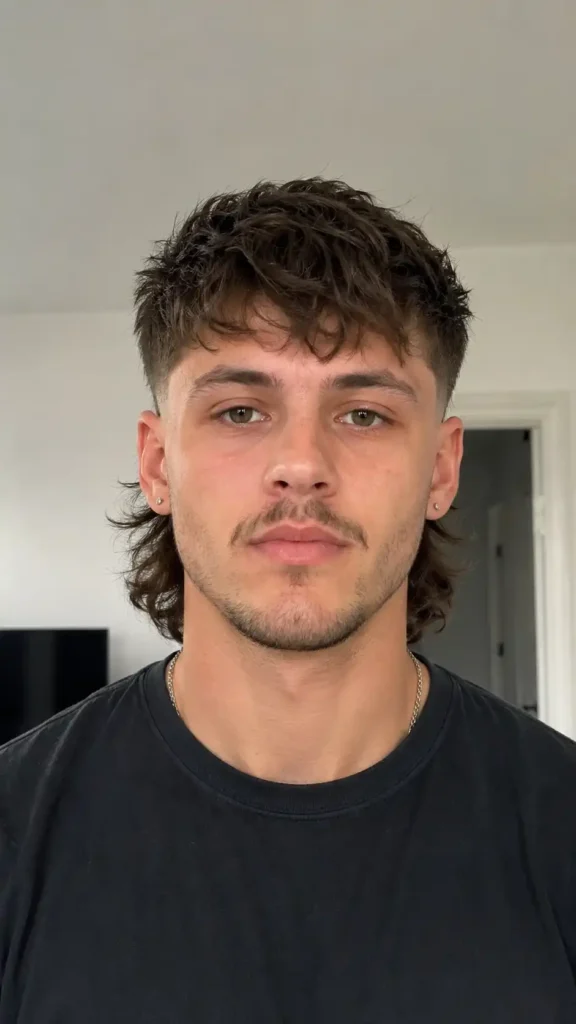
The low fade mullet is the most subtle and professional-friendly fade version of the style. Instead of a high or mid fade that starts well above the ear, the low fade begins at the very bottom of the hairline and tapers gradually upward. It creates a clean, soft transition that makes the mullet look polished rather than extreme.
This is the version to choose if you want to wear a mullet in a more conservative environment, a workplace, a formal event, or any setting where a full-on bold mullet might not fly. The length at the back still gives it the mullet character, but the overall impression is neat and intentional.
Ask the barber for: Low skin fade starting at the bottom hairline, short to medium crop on top, back length left natural.
How to style it: A light hold cream or texturizing spray through the top and back keeps it looking natural and effortless.
Best for: Men who want a mullet that works in professional or semi-formal settings.
12. The Wavy Mullet

If your hair has natural waves, a mullet is one of the best cuts you can get. Waves in the back section of a mullet create movement and volume that looks incredible without any styling effort. The natural bend in the hair adds texture and depth that makes the whole cut look alive.
The wavy mullet works best with a low to mid fade on the sides to control width and keep the overall silhouette balanced. The top can be worn natural or slightly styled forward. The back is the star of the show, let the waves do the work.
Ask the barber for: Low to mid fade on the sides, leave length throughout especially at the back for wave expression.
How to style it: A sea salt spray or wave cream on damp hair followed by air drying is all this style needs.
Best for: Men with naturally wavy hair who want effortless, high-personality style.
If you want more wave-friendly style ideas, check out our comprehensive guide on target flowy haircuts for men which covers wave-enhancing cuts in detail.
13. The Edgar Mullet

The Edgar cut, defined by its blunt, straight fringe across the forehead, combined with a mullet back section is one of the most distinctive and trending combinations in men’s hair right now. The graphic, straight-cut fringe at the front creates a sharp contrast with the flowing length at the back.
It is a bold, high-fashion look that suits men with strong features and a confident personal style. The sides are usually faded short to keep the focus on the dramatic front and back contrast.
Ask the barber for: Blunt straight fringe (Edgar cut) on top, high fade on the sides, length left at the back.
How to style it: A flat iron run lightly through the fringe keeps it straight and sharp. The back can be left natural.
Best for: Men who want a high-fashion, distinctive mullet with a graphic edge.
14. The Taper Mullet

The taper mullet is the most classic and traditional version of the modern style. Instead of a fade that goes all the way down to the skin, the taper is a more gradual reduction in length that follows the natural hairline. It is softer and more traditional than a skin fade and suits men who prefer a cleaner, more conservative cut.
The back length is the defining feature, usually two to four inches past the collar. The top is kept short and neat. The taper on the sides blends everything together smoothly without any abrupt transitions.
Ask the barber for: Natural taper on the sides and back neckline, short top, back length left to grow out naturally.
How to style it Minimal product needed. A light cream or nothing at all keeps this version looking natural and effortless.
Best for: Men who want the most traditional and low-maintenance version of the modern mullet.
15. The Party in the Back Mullet

This is the version that leans fully into the “business in the front, party in the back” motto. The front and sides are kept very short, clean, and professional. The back is left significantly longer, reaching mid-neck to shoulder length, creating maximum contrast and maximum personality.
It is the most dramatic version on this list and is not for everyone. But for men who want their hairstyle to be a genuine statement piece, this delivers in a way nothing else can.
Ask the barber for: Very short crop on top, high fade or undercut on sides, significantly longer back, three to five inches past the collar.
How to style it: Strong hold product on the short front section to keep it tight and clean. The long back is the visual payoff, let it flow naturally.
Best for: Men who want the most dramatic, head-turning mullet possible.
16. The Mullet for Straight Hair

Straight hair gives a mullet incredible definition and shape. The clean lines of straight hair make every element of the cut more visible, the fade on the sides, the length at the back, and the texture on top all show up clearly and sharply.
This version focuses on keeping the straight hair smooth and defined throughout. The top is usually swept to one side or styled forward, and the back hangs straight and clean past the collar. It is one of the sharpest-looking mullets on the list.
Ask the barber for: Mid fade on the sides, short to medium crop on top, straight back section left to fall naturally.
How to style it: A light serum or spray through the back section keeps straight hair smooth and reduces any flyaways.
Best for: Men with naturally straight hair who want a clean, defined mullet.
Explore more straight hair inspiration in our guide to straight hairstyles for men which covers the best cuts and styling tips for straight hair.
17. The Mullet with Hard Part

Adding a hard part to a mullet is a small detail that makes a massive difference. The barber shaves a clean, precise line where the part falls on the top section, creating a graphic design element that elevates the entire haircut. Combined with a fade on the sides and length at the back, the hard part gives the mullet an extra layer of intentionality and sharpness.
This version suits men who love detail-oriented haircuts and want their mullet to look like it cost twice as much as it did.
Ask the barber for: Hard part shaved into the top section, mid fade on the sides, back length left natural.
How to style it: A light pomade combed away from the part on both sides keeps the hard part visible and clean all day.
Best for: Men who want a detail-forward, sharply finished mullet.
18. The Long Mullet

The long mullet is exactly what it sounds like, a mullet where the back section has been grown out significantly, reaching shoulder length or beyond. The front and sides are kept relatively short and controlled, making the dramatic back length the entire focus of the look.
This version requires the most patience to grow and the most maintenance to keep looking intentional. But when it is done right, the long mullet is one of the most striking hairstyles a man can wear. It channels a powerful blend of rock musician energy and natural, free-spirited confidence.
Ask the barber for: Clean up the front and sides while maintaining all back length. A small trim on the back ends to keep it healthy.
How to style it: A hydrating leave-in conditioner keeps the long back section healthy and frizz-free. Style the front with a light hold product.
Men committed to a truly bold, long-term mullet journey.
How to Talk to Your Barber About a Mullet
The single biggest mistake guys make when getting a mullet is not communicating clearly with their barber. Here is exactly what to say.
Always bring a reference photo. The word “mullet” means different things to different barbers. A photo removes all guesswork. Specify the fade type, low, mid, or high, and the back length you want. Tell them whether you want the transition from sides to back to be gradual or disconnected. And be honest about your hair type so they can adjust the technique accordingly.
A good barber will appreciate the detail. A great one will improve on what you bring them.
3 Tips for Maintaining Your Mullet
1. Book a trim every four to six weeks. The sides grow out faster than the back, and once the fade loses its sharpness the whole mullet looks unintentional. Regular maintenance keeps everything clean and in proportion.
2. Use the right products for your hair type. Straight hair benefits from a light serum or matte cream. Curly and wavy hair needs a curl defining cream or sea salt spray. Using the wrong product kills the movement and texture that makes a modern mullet look good.
3. Let the back grow on its own schedule. Do not trim the back every visit. The whole point of the mullet is length contrast. Let the barber clean up the sides and front while leaving the back to grow. Patience is the biggest factor in a great long mullet.
FAQ’s
It depends on the version. A taper mullet or low fade mullet with a short, neat front section is subtle enough for most workplaces. The textured crop mullet is even more office-friendly because the back length is minimal. A full disconnected or long mullet is better suited to creative environments or personal time.
Mullets work best on oval, square, and heart-shaped faces. The length at the back elongates the face, which helps balance wider jawlines and foreheads. Round faces can also wear a mullet well if the sides are kept tight with a high fade to add height and reduce width.
Hair grows roughly half an inch per month. A basic mullet with two to three inches of back length takes around four to six months from a short haircut. A longer mullet that reaches the collar or beyond can take twelve to eighteen months. The key is getting regular side and front trims while leaving the back untouched.
A mullet has a clear contrast between short front and sides and longer back. A shag is longer all over with choppy layers throughout and usually no dramatic length difference between front and back. The two do overlap, a shaggy mullet combines elements of both, keeping the layered texture of a shag with the back-heavy length of a mullet.
For straight hair mullets, a matte clay or light pomade on the top section works best. For curly or wavy mullets, a curl defining cream or sea salt spray enhances natural texture. For the back section on any mullet, a lightweight leave-in conditioner keeps the longer hair healthy and frizz-free without weighing it down.
Style Worth Pinning. Every Single Time.
Follow StyleObsidian for daily style inspiration.
