


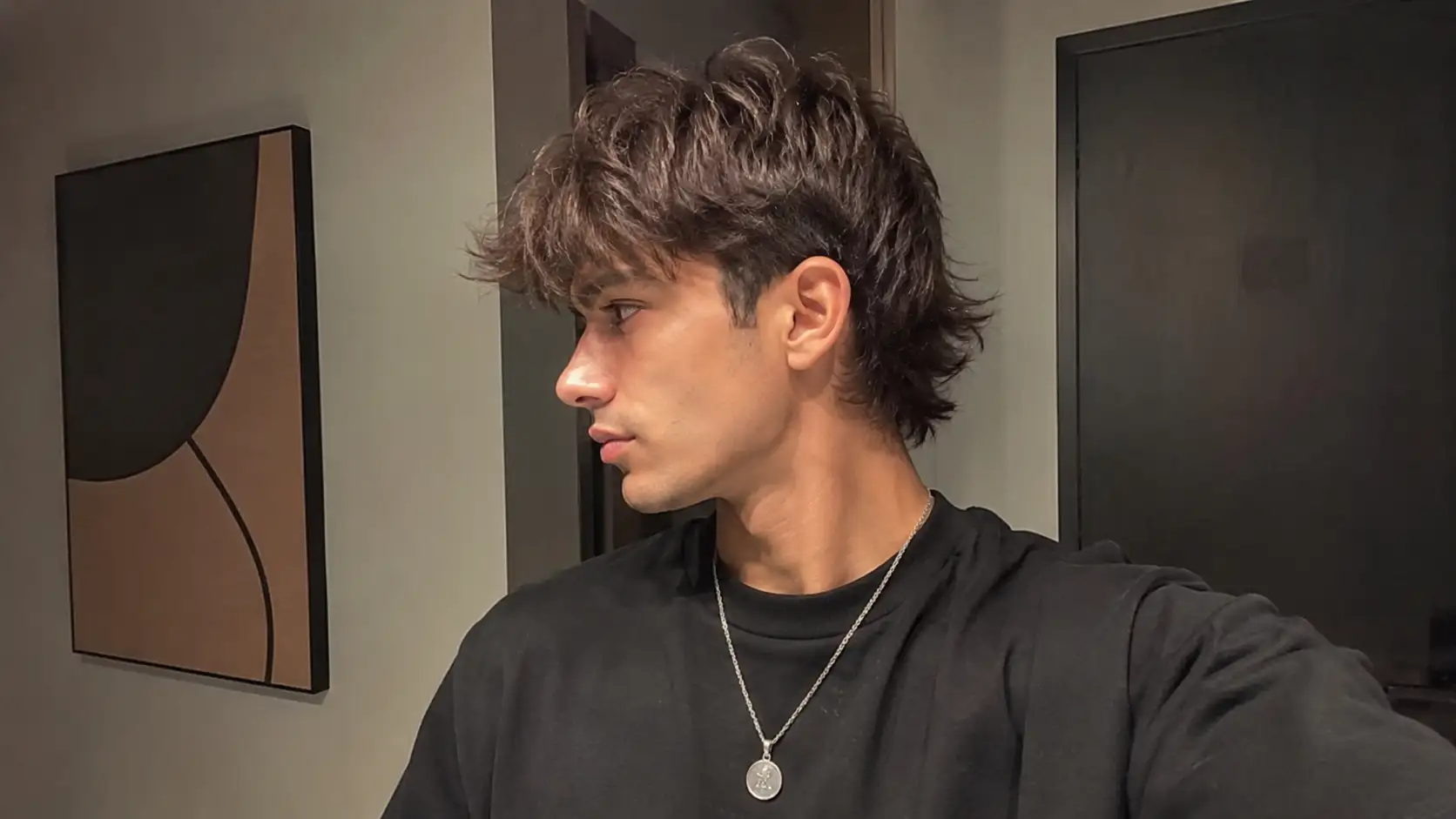
Fine hair has a reputation problem. Most men assume it means flat, lifeless, and limited to a handful of safe short cuts. That is not true. The right layering technique adds body, movement, and real texture to fine hair without depending on thick density to make it work. If you have fine hair that is also straight and completely flat, it is also worth knowing that men’s perm haircuts are one of the most effective ways to build lasting volume before you even pick up a product.
Layers work for fine hair because they remove the weight that drags strands flat and instead build shape close to the root, where volume actually lives. The wrong layering, cut too heavy or too long, will do the opposite and make fine hair look even thinner. The right layering, cut short and strategic near the crown, is the single most effective tool a man with fine hair has.
This guide covers 16 layered haircuts for men with fine hair that genuinely add volume and texture rather than fighting against what your hair naturally does. Full breakdown on how to ask for each one at the barbershop.
Key Takeaways
- Layers should be shortest near the crown and root, since that is where fine hair needs the most lift to fake density.
- Avoid long, heavy layers. They add weight rather than remove it, which flattens fine hair instead of lifting it.
- A skilled barber will point-cut or texturize the ends rather than cutting a blunt line, since blunt ends make fine hair look thinner, not thicker.
- Shorter overall lengths generally hold volume better than long layered cuts, since fine hair loses its shape faster the longer it grows.
- The right styling product matters as much as the cut. Lightweight volumizing products lift fine hair, while heavy waxes and creams weigh it back down.
- A regular trim schedule, roughly every 4 to 6 weeks, keeps the layers doing their job instead of growing out into a flat, shapeless cut.
16 Layered Haircuts for Fine Hair at a Glance
1. Textured Layered Crop

The textured crop is the most reliable starting point for fine hair. Short length keeps the layers close to the root, which is exactly where fine hair needs support to look thicker than it is.
Cut hair short overall, roughly one to two inches on top, with layers point-cut throughout to remove any blunt weight. Style forward or slightly tousled with a small amount of matte paste worked through damp hair, then blow dry upward with your fingers for lift.
How to Get It:
- Length: Short, 1 to 2 inches on top
- Technique: Point-cut layers throughout, no blunt ends
- Product: Matte paste, applied sparingly
- Maintenance: Trim every 4 weeks
Best For: Maximum volume with minimal effort Face Shape: Round, square
2. Layered Side Part

A layered side part brings structure to fine hair without sacrificing the volume a plain side part usually lacks. The layering underneath is what separates this from the flat, dated side parts most men picture.
Ask your barber for a defined side part with layers cut into the top section, not just the length trimmed straight across. Blow dry the roots in the opposite direction of your part before combing into place, which builds a volume base the flat style relies on.
How to Get It:
- Length: Short to medium on top, shorter sides
- Technique: Defined part with layered, not blunt, top length
- Product: Light volumizing mousse before blow dry
- Maintenance: Trim every 5 weeks
Best For: Classic, office-appropriate styling Face Shape: Oval, square
3. Medium Layered Shag

The shag is one of the most naturally volumizing cuts available because the entire structure is built from choppy, uneven layers. For fine hair, this means the cut is doing the volume work rather than the styling. The shag sits in the same family as the best flowy haircuts for men — movement-first cuts that reward natural texture rather than fighting it.
Layers are cut throughout at varying lengths, heavier texturizing near the crown and looser toward the ends. Style with a texturizing spray and let it dry naturally or rough-dry with your hands for a lived-in finish.
How to Get It:
- Length: Medium, ear to jaw length
- Technique: Choppy layers cut throughout, heaviest texturizing near crown
- Product: Sea salt or texturizing spray
- Maintenance: Trim every 6 weeks
Best For: A relaxed, naturally textured look Face Shape: Oval, heart
4. Layered Pompadour

The pompadour has a reputation for needing thick hair, but a layered version built specifically for fine hair achieves the same lifted silhouette using strategic short layers instead of raw density.
Sides are tapered short while the top is layered and left slightly longer at the front. Blow dry the front section upward and back using a round brush, then set with a strong hold pomade. The layering underneath is what gives the style enough texture to grip and hold its shape.
How to Get It:
- Length: Short sides, longer layered front section
- Technique: Root-lifted layers with a tapered side
- Product: Strong hold pomade, blow-dried in with a round brush
- Maintenance: Trim every 4 weeks
Best For: A bold, structured look for fine hair Face Shape: Oval, square
5. Layered Taper Fade

Pairing a taper fade with layers on top creates one of the cleanest, most versatile looks for fine hair. The short sides remove any visual comparison point that makes fine hair look thinner, while the layers on top create the illusion of density. This structure shares a lot of DNA with the modern mullet haircut for men, which uses the same short-sides-textured-top blueprint to impressive effect.
A gradual taper fade runs into slightly longer, layered length on top. Ask your barber to keep the layers short near the crown specifically, since that is the area most prone to looking flat on fine hair. Style with a light matte cream and minimal product.
How to Get It:
- Length: Faded sides, short layered top
- Technique: Taper fade blending into crown-focused layering
- Product: Light matte cream
- Maintenance: Fade touch-up every 3 weeks
Best For: A clean, professional everyday cut Face Shape: Round, square
6. Wavy Layered Medium Cut

If your fine hair has any natural wave, layering around that texture rather than fighting it produces one of the most effortless looks on this list. The layers follow the wave pattern instead of cutting against it, which multiplies the movement already there. This approach is also at the heart of the soft mullet haircut — a style built entirely on working with natural texture and soft layers rather than imposing hard lines on the hair.
Cut to medium length with soft, rounded layers that follow the natural wave pattern rather than a rigid symmetrical shape. Style with a light sea salt spray and air dry, scrunching gently to encourage the wave.
How to Get It:
- Length: Medium
- Technique: Soft layers cut to follow natural wave
- Product: Light sea salt spray
- Maintenance: Trim every 6 weeks
Best For: Naturally wavy fine hair
Face Shape: Any face shape
7. Short Layered Quiff

The quiff relies almost entirely on root lift, which makes it a natural fit for fine hair when the layering is done correctly. Short layers near the front give you the leverage needed to build height without looking thin at the base.
Keep the top short with the front section layered slightly longer for lift. Blow dry upward and back at the roots before applying a medium hold paste and styling the front into a soft peak. Avoid overworking the product, which can flatten fine hair fast.
How to Get It:
- Length: Short, longer layered front section
- Technique: Root-lifted layers concentrated at the front hairline
- Product: Medium hold paste
- Maintenance: Trim every 4 weeks
Best For: A sharp, styled everyday look
Face Shape: Oval, square
8. Layered Caesar Cut

The Caesar cut is already one of the lowest-maintenance options for fine hair, and adding subtle layering improves on the classic blunt fringe by giving the top slightly more texture and lift.
Cut hair short and uniform with a straight fringe, but ask your barber to add light layering through the crown rather than cutting the top completely flat. This small adjustment keeps the traditional Caesar silhouette while solving the flatness fine hair usually runs into with this cut.
How to Get It:
- Length: Short, uniform with a straight fringe
- Technique: Light layering through the crown only
- Product: Minimal, a small amount of matte cream if needed
- Maintenance: Trim every 4 weeks
Best For: Extremely low-maintenance styling
Face Shape: Round, oval
9. Layered Crew Cut

A layered crew cut takes one of the most classic low-maintenance men’s cuts and adjusts it specifically for fine hair by adding texture through the top rather than leaving it a flat, single length.
Sides are cut short and clean, while the top is layered rather than cut straight across. This creates natural texture and a slightly tousled finish instead of the flat cap effect a standard crew cut can create on fine hair.
How to Get It:
- Length: Short overall, textured top
- Technique: Layered top over clean, short sides
- Product: Small amount of matte paste, worked in with fingers
- Maintenance: Trim every 4 weeks
Best For: A classic, no-fuss everyday cut
Face Shape: Any face shape
10. Layered Brush Back

The brush back is a strong option for fine hair because the styling direction itself creates volume, and layering underneath reinforces that lift rather than working against it.
Top length is layered and grown out slightly longer than the sides, which are tapered or faded. Blow dry the hair straight back using a brush, then finish with a light hold cream to keep the shape without heavy product buildup at the roots.
How to Get It:
- Length: Short-medium top, tapered sides
- Technique: Layers cut in the styling direction, brushed straight back
- Product: Light hold cream
- Maintenance: Trim every 5 weeks
Best For: A polished, structured everyday look
Face Shape: Oval, square
11. Layered Curtain Haircut

Curtains have become one of the most popular men’s cuts in recent years, and a layered version adapts especially well to fine hair by preventing the center part from looking thin and separated.
Hair is grown to medium length and layered throughout, parted naturally down the center. The layering is what keeps the two sides from looking stringy, a common issue when fine hair is left at one uniform length in this style.
How to Get It:
- Length: Medium, center-parted
- Technique: Layers throughout to prevent stringy separation
- Product: Light texturizing spray
- Maintenance: Trim every 6 weeks
Best For: A relaxed, trend-forward look
Face Shape: Oval, heart
12. Long Layered Flow

For men with fine hair who still want length, the long layered flow is the most realistic way to get there without looking thin or flat. Heavy layers throughout remove dead weight and allow the remaining hair to move freely. At its most grown-out, this style approaches the territory of men’s Viking hairstyles — long, layered, and full of natural movement even on finer hair types.
Grow hair to medium-long length with continuous layering from crown to ends. Style with a volumizing spray at the roots and blow dry with a round brush for lift, or let it air dry for a more relaxed, natural flow.
How to Get It:
- Length: Medium-long
- Technique: Continuous layering from crown to ends
- Product: Volumizing spray at the roots
- Maintenance: Trim every 8 weeks to maintain shape
Best For: Men who want length without flatness
Face Shape: Oval, square
13. Layered Slick Back

The slick back typically demands thick hair to hold its shape, but a layered version built for fine hair uses shorter layers and the right product to fake that same density and control.
Top length is layered and kept slightly shorter than a traditional slick back would call for. Style using a strong hold gel or pomade combed straight back, focusing extra product at the roots where fine hair needs the most hold.
How to Get It:
- Length: Short-medium, layered top
- Technique: Shorter layering than standard slick back for better hold
- Product: Strong hold gel or pomade
- Maintenance: Trim every 4 weeks
Best For: A sharp, polished evening look Face Shape: Oval, square
14. Choppy Layered Fringe

A choppy fringe uses uneven, textured layering across the front to create natural volume exactly where fine hair tends to fall flat first. It is one of the most impactful single changes a fine-haired man can make at his next barber visit. For a look that takes this choppy front texture further into a full cut, the short mullet haircut applies the same choppy layered energy across the entire head with strong results for fine hair.
Cut a fringe with heavy texturizing rather than a clean, straight line, layering the length unevenly throughout the front section. Style with fingers and a light texturizing paste, pulling pieces forward and slightly to the side for a broken, natural finish.
How to Get It:
- Length: Short-medium, textured fringe
- Technique: Uneven, choppy layering concentrated at the front
- Product: Light texturizing paste
- Maintenance: Trim every 5 weeks
Best For: A casual, low-effort daily style
Face Shape: Round, oval
15. Layered Messy Top

The messy top embraces imperfection entirely, relying on short choppy layers and a light touch of product to create volume that looks completely unplanned, even though the cut underneath is doing real work.
Hair is layered short throughout the crown with slightly longer, texturized pieces on top. Rough dry with your hands rather than a brush, then work a small amount of matte paste through with your fingers, focusing on separating individual pieces rather than smoothing them down.
How to Get It:
- Length: Short-medium, heavily texturized
- Technique: Short layers throughout with finger-styled separation
- Product: Small amount of matte paste
- Maintenance: Trim every 5 weeks
Best For: An easy, everyday textured look
Face Shape: Any face shape
16. Layered Faux Hawk

The faux hawk channels volume into a single central strip, which naturally suits fine hair since all the styling effort is concentrated rather than spread across the whole head. The sides are kept short, which removes the visual comparison point that thins out the top section on fine hair. If your fine hair is naturally straight, pairing this cut with tips from our guide on straight hairstyles for men will help you get maximum lift and definition at the front.
Sides are cut short or faded, while the center strip is layered and left long enough to style upward. Use a strong hold wax and work it through damp hair from root to tip, pinching the center section upward as it dries for maximum height.
How to Get It:
- Length: Short sides, longer layered center strip
- Technique: Central layering built specifically for upward styling
- Product: Strong hold wax
- Maintenance: Fade touch-up every 3 weeks
Best For: A bold, statement-making look
Face Shape: Oval, square
3 Rules Every Man with Fine Hair Should Know
Short layers beat long layers, every time. The closer the layering sits to the root, the more lift and density it creates. Long, sweeping layers might look good on thick hair, but on fine hair they simply add weight and undo any volume the cut was supposed to create.
The right product is not optional. Fine hair reacts badly to heavy waxes, creams, and oils, which weigh the strands down almost immediately.
Regular trims protect the shape of the cut. Layers grow out faster than they seem to, and once they do, fine hair loses its structure and falls flat again.
Frequently Asked Questions
Yes, when they are cut correctly. Short layers concentrated near the crown and root remove the weight that causes fine hair to fall flat, creating natural lift that reads as more volume. Long or heavy layers have the opposite effect and should be avoided.
Shorter to medium lengths generally hold volume better than long styles. Fine hair loses shape more quickly as it grows out, so cuts kept between short and medium length, with layering throughout, tend to look fuller for longer between trims.
Avoid heavy waxes, thick creams, and high-shine oils, since these products weigh fine hair down almost immediately. Lightweight mousses, texturizing sprays, and matte pastes applied in small amounts are far more effective at maintaining volume throughout the day.
Every 4 to 6 weeks is ideal for most layered cuts. Fine hair loses its shape faster than thicker hair as layers grow out, so staying on a consistent trim schedule is essential for keeping volume and structure intact.
Yes, but continuous layering is essential. Styles like the long layered flow show that fine hair can carry medium to long length successfully, as long as the layering removes enough weight throughout to prevent the ends from looking thin and stringy.
Style Worth Pinning. Every Single Time.
Follow StyleObsidian for daily style inspiration.
